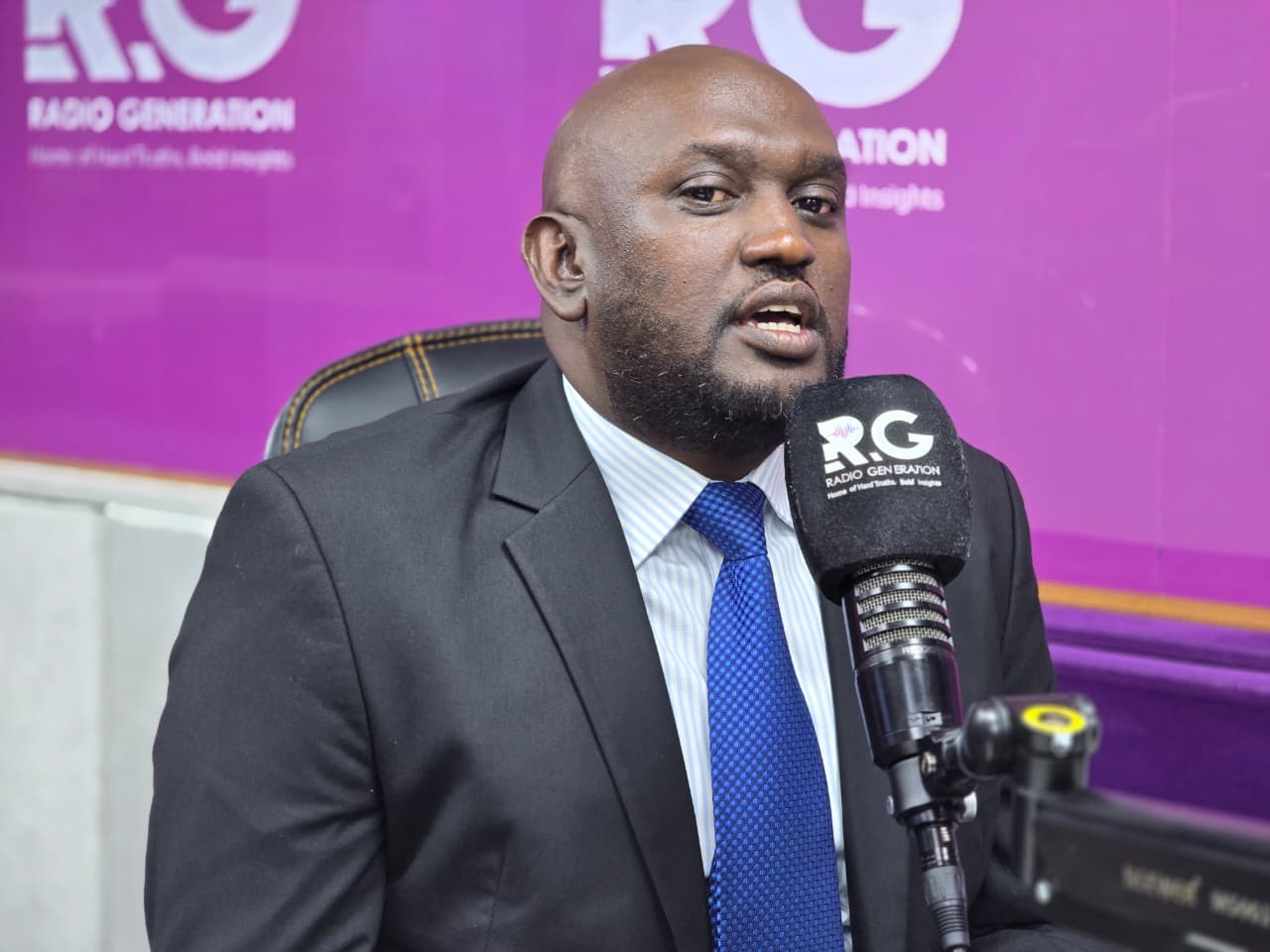
Social Health Authority (SHA) Chairperson Dr. Abdi Mohamed says the Social Health Authority (SHA) has improved provider payments to about 80%, marking a significant shift from the former NHIF system, even as it works to clear inherited debts and stabilise the new health financing model.
Speaking on Radio Generation on Monday, Dr. Abdi said SHA “payout is around 80%,” noting that the current system is performing better in settling claims compared to its predecessor.
“To be fair, under SHA, our payout is way better than NHIF used to be,” he said.
Latest Stories
- NCIC condemns Bare Sahara Ahmed hate speech, confirms arrest
- DCI arrests three suspects in Nairobi robberies linked to fake police gang
- Gachagua withdraws bid to be reinstated, seeks compensation over impeachment
- President Ruto urges African leaders to own health financing and reforms
- DCP notifies IEBC it will hold Ol Kalou MP nominations on May 9
However, he acknowledged that the authority inherited substantial liabilities from the defunct NHIF, prompting a structured approach to debt settlement.
According to Dr. Abdi, the debts have been categorised into two groups—facilities owed Sh10 million and below, and those owed above that threshold.
“For the ones who are 10 million and below, we are paying them… they constitute 92% of the debt of the providers. That’s around close to 6,000 facilities, which will clear all their old NHIF debt completely,” he explained.
The remaining claims, accounting for just 8% of providers but the bulk of the money, have proven more complex. Dr. Abdi said many of the larger facilities took the authority to court after SHA proposed a verification process.
“The second group… took us to court because we wanted to do a claim verification,” he said, adding that the authority is now working on an internal review mechanism in line with court directions.
Beyond debt settlement, Mohamed also outlined reforms affecting teachers’ medical cover, one of the largest schemes under SHA. He said the number of beneficiaries has risen to about 415,000 teachers, up from roughly 360,000 previously, including an additional 50,000 new entrants and their dependents.
The shift from private insurers to SHA, he noted, has reduced costs significantly.
“The premium was supposed to jump… up to 28 billion… we said let them come to SHA so that we’re able to manage at 15 billion,” he said, describing the move as more sustainable for the government.
Access to healthcare has also expanded dramatically, from about 800 facilities under private cover to over 10,000 under SHA. But this has introduced new challenges, including overutilisation of services.
“We suffered from one problem in insurance… moral hazard,” Mohamed said, explaining that both patients and providers may overuse or overcharge services when coverage is extensive.
He warned that without controls, benefits could be quickly exhausted, leaving patients to pay out of pocket.
“We have to try and protect you… because once you deplete, now you start paying out of pocket,” he said, adding that new measures are being introduced to ensure sustainability while maintaining access.


Comments
Sign in with Google to comment, reply, and like comments.
Continue with Google